Introduction
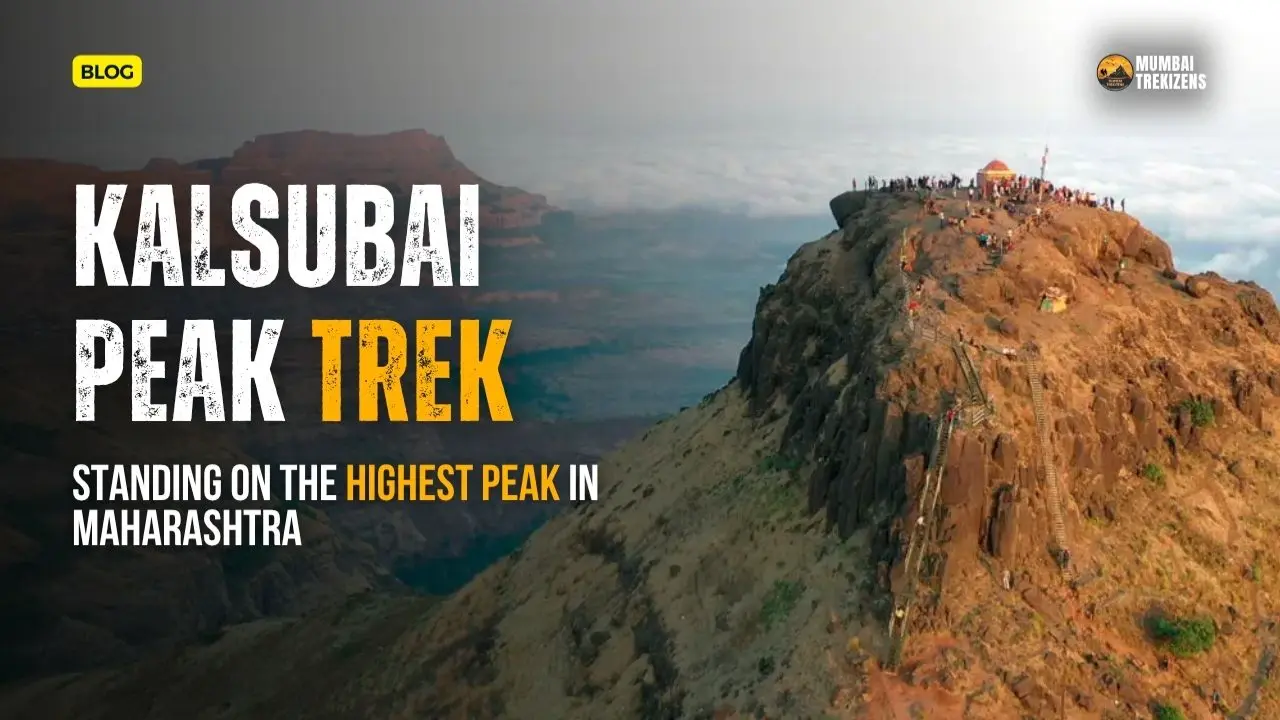
Reaching the top of the Kalsubai trek means standing on the highest point in all of Maharashtra: 5,400 feet (about 1,646 meters), with the Sahyadri range rolling out in every direction beneath your feet. Locals call it the "Everest of Maharashtra," and once you catch that summit view, the nickname makes perfect sense.
What makes Kalsubai so beloved is that this crowning peak is genuinely reachable. A clear trail, friendly ladders bolted onto the steep rock by locals, and a small summit temple make it one of the most popular treks in the state, done by beginners and veterans alike.
This guide covers the route from Bari village, the ladder sections, difficulty, the famous sunrise timing, food, parking, and the safety tips that make your climb to the top of Maharashtra smooth and joyful.
Table of Contents
- Where Kalsubai Is Located
- The Legend Behind Kalsubai
- What Makes the Kalsubai Trek Special
- The Trek Route From Bari Village
- The Famous Ladder Sections
- Difficulty Level and Who It Suits
- The Sunrise and Night Trek
- How to Reach Kalsubai and Parking
- Best Time to Visit
- Food, Water, and Stay
- Safety Tips
- Practical Tips
- Common Mistakes
- Expert Insights
- Frequently Asked Questions
- Ready for Your Next Adventure?
Where Kalsubai Is Located
Kalsubai Peak sits in the Bhandardara region of Ahmednagar district, Maharashtra, within the Kalsubai Harishchandragad Wildlife Sanctuary. At 5,400 feet (1,646 meters), it's the highest peak in the state.
The base village is Bari, about 6 km from the popular tourist spot of Bhandardara. Bari is well set up for trekkers, with parking, small eateries, and homestays.
From the summit on a clear day, you can see a stunning lineup of Sahyadri landmarks, including Alang, Madan, Kulang, Ratangad, Aundha, and the Bhandardara backwaters shining below.
The Legend Behind Kalsubai
The peak is named after Kalsubai, a local woman remembered in village folklore. As the story goes, she worked in the area and was deeply respected by the villagers, and after she disappeared on the peak, a small shrine was built in her memory at the very top.
That shrine, the Kalsubai temple, still stands on the summit today. Many trekkers, along with local devotees, climb to offer prayers, and a fair is held here during Navratri. This blend of trekking and living tradition gives Kalsubai a warmth that pure adventure peaks often lack.
Because the summit is a place of worship, trekkers are expected to treat it with respect: keep noise down near the shrine and avoid littering the sacred space.
What Makes the Kalsubai Trek Special
A few things put Kalsubai at the top of most Sahyadri trekkers' lists:
- It's the highest point in Maharashtra, a genuine bragging-rights summit.
- It's beginner-friendly, thanks to a clear trail and helpful ladders.
- The sunrise from the top is legendary, which fuels the popular night-trek tradition.
- The views are enormous, taking in some of the range's most dramatic peaks.
- There's a living temple tradition on the summit that adds meaning to the climb.
Few treks combine "highest peak in the state" with "achievable for a fit first-timer," and that rare mix is exactly why Kalsubai is so loved.
The Trek Route From Bari Village
The standard route begins at Bari village and runs roughly 6 to 6.6 km one way to the summit.
The trail has three broad sections:
- The initial climb: The trail leaves Bari through farmland and gentle slopes, warming you up as it rises.
- The plateau and middle section: You cross rocky patches and a plateau stretch, passing small tea stalls that dot the route.
- The final ascent: The steepest part, where the famous iron ladders help you up near-vertical rock to the summit and its temple.
Timing: Plan on about 3 to 4 hours to reach the summit at a steady pace, and a bit less to descend. Sunrise trekkers often start in the dark to time the top for first light.
Small tea and snack stalls along the trail are a charming feature of Kalsubai, offering hot tea, poha, lemon water, and encouragement on the way up.
The Famous Ladder Sections
The signature challenge and delight of Kalsubai is its iron ladders. Locals installed three ladders, along with chains, railings, and some cemented steps, to make the steep upper rock safe and accessible.
What to know about the ladders:
- They turn what would be a tough scramble into a manageable, fun climb.
- They're steep and can feel exposed, but they're sturdy and widely used.
- Take them one person at a time, don't crowd, and keep a firm three-point grip.
- On busy weekends and during sunrise treks, ladders can get congested, so patience and an early start help.
For most trekkers the ladders are a highlight, not a hurdle. Still, anyone uneasy with heights should take them slowly and, ideally, climb with an experienced group who can guide them through.
Difficulty Level and Who It Suits
The Kalsubai trek is rated easy to moderate. The distance and elevation are real, but the clear trail and the ladders make it very approachable.
- Suitable for: beginners with basic fitness, families with active older children, and anyone building toward bigger treks.
- Needs care: the ladder sections and the final steep ascent, especially in monsoon or in the dark on a sunrise trek.
- Great for: a first summit experience, a fitness milestone, or a memorable group trek.
The main thing Kalsubai asks for is steady stamina for a continuous climb. With a sensible pace and a few rest stops at the tea stalls, most reasonably fit people summit comfortably. If this is among your first big climbs, steer clear of the usual safety mistakes first-time Sahyadri trekkers make.
The Sunrise and Night Trek
Kalsubai is famous for its sunrise, and the night trek to catch it has become a tradition. Trekkers start climbing in the small hours, reach the summit before dawn, and watch the sun rise over a sea of Sahyadri peaks, often above a layer of clouds.
If you're doing the sunrise trek:
- A headlamp with spare batteries is essential, not a phone torch.
- Carry warm layers; the summit is cold and windy before dawn.
- The ladders in the dark demand extra care and a calm, unhurried approach.
- Go with a group, since night navigation and cold add real challenge for solo beginners.
The night trek is magical, but it's also where good preparation matters most. This is a classic case where trekking with an experienced organizer, who handles timing, navigation, and safety in the dark, turns a potentially tricky night into a flawless sunrise.
How to Reach Kalsubai and Parking
From Mumbai
- By road, drive via Kasara and Igatpuri toward Bhandardara and Bari village (roughly 150 to 175 km, about 4.5 to 6 hours).
- By train, take a train to Kasara or Igatpuri, then a local jeep or cab to Bari.
From Pune
- By road, via Sangamner and Akole toward Bhandardara and Bari (roughly 165 to 185 km, about 5 to 6 hours).
Nearest Railheads
- Igatpuri and Kasara are the most convenient stations for onward road travel.
Parking: Bari village has parking facilities near the trail start, where you can safely leave a car or bike for the day. There's usually a small parking fee. Arriving early secures a spot, especially on weekends and during sunrise-trek season.
Best Time to Visit
- Post-monsoon and winter (October to February): The most popular and comfortable window, with clear skies, crisp air, and stunning summit views. Ideal for sunrise treks.
- Monsoon (June to September): The hills turn lush and misty, and waterfalls appear, but the trail and ladders get slippery and views can be cloud-covered. Go with grippy shoes and extra caution.
- Summer (March to May): Hot and dry with strong sun; if you go, start very early and carry plenty of water.
For the best mix of views and comfort, October to February is hard to beat, which is also why it's peak season on the mountain. Kalsubai gets very crowded on weekends, so it's worth weighing a weekend versus weekday trek before you pick your date.
Food, Water, and Stay
Food and water: One of Kalsubai's nicest features is the string of small tea stalls along the trail, selling tea, poha, lemon water, snacks, and water bottles. Still, carry your own water (2 to 3 liters) and snacks, especially for a night or sunrise trek when stalls may not all be open.
Stay options:
- Homestays in Bari village, simple and welcoming, with home-cooked Maharashtrian food.
- Camping near Bhandardara, popular for combining the trek with a lakeside night.
- Many sunrise trekkers simply travel overnight and climb, then rest afterward.
Bari and the wider Bhandardara area make a comfortable, scenic base, and a night here lets you enjoy the region beyond just the climb.
Safety Tips
- Wear trekking shoes with strong grip for the ladders and steep rock.
- Take the ladders one at a time with a firm grip; don't crowd or rush.
- Carry a proper headlamp for any night or pre-dawn start.
- Pack warm layers for the cold, windy summit before sunrise.
- Carry 2 to 3 liters of water even with stalls on the route.
- Start early and set a turnaround time so you descend in good light.
- Check the weather and avoid the exposed summit in thunderstorms.
- Respect the summit temple and carry all your trash back down.
For sunrise and monsoon treks especially, an experienced guided group adds a strong safety margin on the dark, steep, and slippery sections.
Practical Tips
- Book a homestay in advance on peak weekends.
- Arrive early for parking in Bari, particularly in sunrise season.
- Carry cash for stalls, parking, and homestays.
- Pace yourself on the continuous climb; rest at the tea stalls.
- Combine with Bhandardara or Ratangad for a fuller weekend.
- Quick-dry clothing works far better than cotton in monsoon.
- Keep some snacks and water in reserve for the descent.
Common Mistakes
- Using a phone torch instead of a headlamp on the night trek.
- Underdressing for the summit, then shivering through the sunrise.
- Crowding the ladders and rushing instead of going one at a time.
- Relying entirely on stalls and carrying too little water.
- Starting a day trek late and descending the steep section in fading light.
- Ignoring the weather and getting caught on the exposed top in a storm.
- Littering near the summit temple, a disrespect to a sacred site.
Expert Insights
Guides who lead Kalsubai every season describe it as the perfect "first big summit." It gives beginners the thrill of standing on the highest peak in Maharashtra while keeping the risk low, thanks to the ladders, the clear trail, and the friendly stalls. That combination builds confidence like few other treks.
They're clear, though, that the night and sunrise trek is a different animal. Climbing steep ladders in the cold and dark, timing the summit for dawn, and managing a group's pace and warmth all take experience. Most sunrise mishaps trace back to poor lighting, thin clothing, or rushing, all of which good preparation and a led group eliminate.
Their favorite piece of advice: savor the summit. Too many trekkers snap a photo and rush down. Sit with the view, visit the temple, watch the peaks emerge from the mist, and let it sink in that you're standing on the roof of Maharashtra. That's the memory worth carrying home.
Frequently Asked Questions
1. How high is Kalsubai peak? Kalsubai stands at 5,400 feet (about 1,646 meters), making it the highest peak in Maharashtra. That's why it's often called the "Everest of Maharashtra."
2. Is the Kalsubai trek good for beginners? Yes. It's rated easy to moderate, with a clear trail and sturdy iron ladders that make the steep sections manageable. Beginners with basic fitness summit it regularly, especially with a group.
3. How long does the Kalsubai trek take? From Bari village, the roughly 6 to 6.6 km climb takes about 3 to 4 hours to the summit and a little less to descend, depending on your pace, rest stops, and crowd levels on the ladders.
4. What are the ladders on the Kalsubai trek? Locals installed three iron ladders, plus chains and cemented steps, on the steep upper rock. They make the near-vertical sections safe and fun, though you should climb them one at a time with a firm grip.
5. Why do people do the Kalsubai night trek? To catch the famous sunrise from the summit. Trekkers climb in the dark to reach the top by dawn and watch the sun rise over the Sahyadri, often above the clouds. A headlamp and warm layers are essential.
6. What is the best time to do the Kalsubai trek? October to February offers the clearest views and most comfortable weather, ideal for sunrise treks. Monsoon is lush but slippery, and summer is hot with stronger sun.
7. Is there parking at Bari village for Kalsubai? Yes, Bari has parking near the trailhead for a small fee. Arrive early, especially on weekends and during sunrise season, to secure a spot.
The Kalsubai trek is a rare gift: the highest peak in Maharashtra, made reachable for almost anyone with basic fitness and a bit of determination. The clear trail from Bari, the iconic iron ladders, the cheerful tea stalls, and that unforgettable sunrise from the summit temple add up to one of the most rewarding treks in the state.
Climb in the cool season, prepare well for the ladders and the cold summit, respect the shrine at the top, and Kalsubai will hand you a view, and a memory, from the very roof of Maharashtra.
Ready for Your Next Adventure?
Don't just read about it — come experience it. Book your spot on the Kalsubai Night Trek with certified trek leaders, small groups, and everything organised for you.
🏷 Kalsubai peak highest in Maharashtra, Bari village Kalsubai, Kalsubai ladders, Kalsubai sunrise trek, Kalsubai trek difficulty, Kalsubai trek route from Bari village
Be the first to comment on this post.