Introduction
The Torna fort trek carries a special place in Maratha history: this was the first fort captured by Chhatrapati Shivaji Maharaj, around 1646, when he was just a teenager, marking the very beginning of Swarajya. Standing on its summit, you're standing where the dream of an empire first took root.
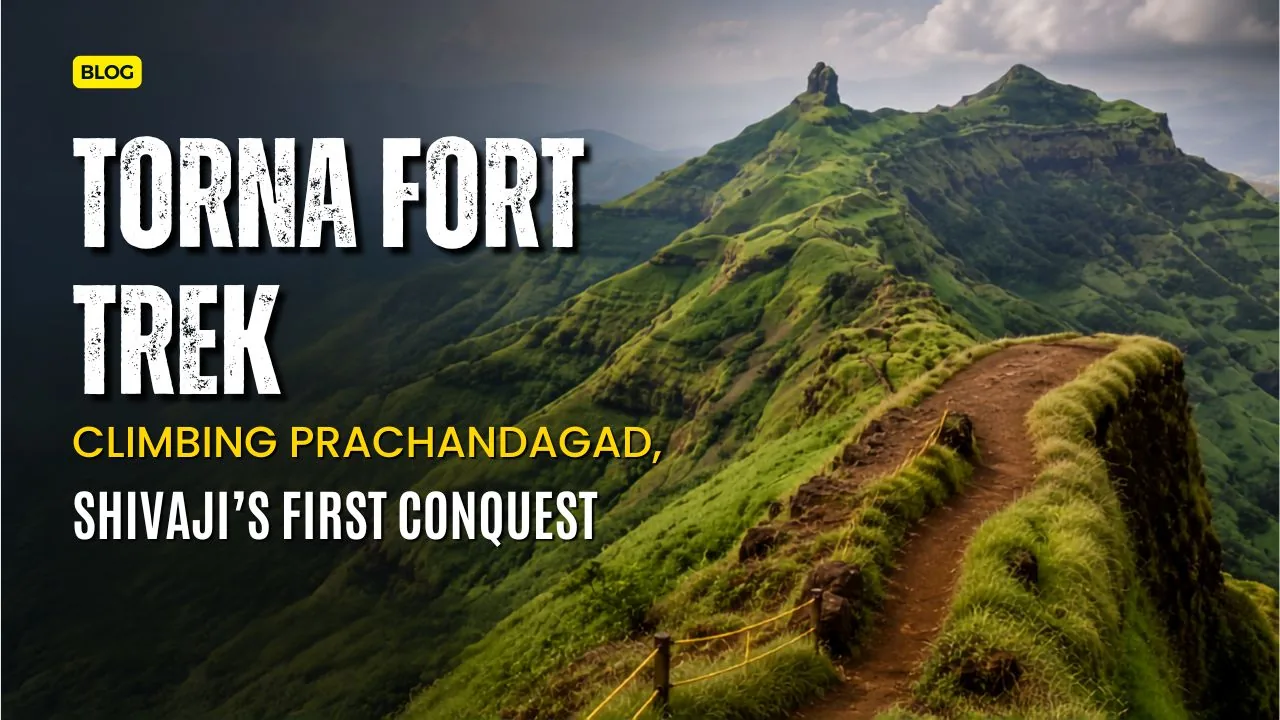
Torna, also known as Prachandagad ("the massive fort"), is the highest hill fort in Pune district, rising to about 4,603 feet (roughly 1,400 meters). Its sweeping ridges, the huge Budhla Machi rock formation, and the classic ridge connection to neighboring Rajgad make it one of the most satisfying treks near Pune.
This guide covers the Velhe route, difficulty, trekking time, the fort's key features, water sources, camping, transport, expenses, and the safety tips that make this historic climb a joy.
Table of Contents
- Where Torna Is Located
- The History of Torna Fort
- Why It's Called Prachandagad
- Key Features: Machis and Temples
- The Trek Route From Velhe
- Difficulty Level and Who It Suits
- Camping and the Rajgad Connection
- How to Reach Torna
- Best Time to Visit
- Water, Food, and Stay
- Estimated Expenses
- Safety Tips
- Practical Tips
- Common Mistakes
- Expert Insights
- Frequently Asked Questions
- Ready for Your Next Adventure?
Where Torna Is Located
Torna Fort stands in Pune district, Maharashtra, about 50 km southwest of Pune city, near the village of Velhe. At roughly 4,603 feet (about 1,400 meters), it's the tallest hill fort in Pune district.
The fort sits in the same range as Rajgad, and the two are linked by a classic ridge trek that experienced trekkers love. Torna's height and exposed ridges give it commanding views across the Sahyadri, including a fine view toward Rajgad itself.
Velhe village at the base is well known to trekkers and has basic facilities, small eateries, and parking, making it a convenient starting point.
The History of Torna Fort
Torna's fame rests on a single, foundational fact: it was the first fort seized by Chhatrapati Shivaji Maharaj, around 1646 CE, when he was only about 16 years old. That conquest is widely seen as the symbolic start of the Maratha Swarajya, the self-rule that would grow into an empire.
According to tradition, after capturing the fort, Shivaji Maharaj found treasure that helped fund the building and strengthening of nearby forts, including Rajgad. He is said to have renamed it Prachandagad, meaning "the massive or formidable fort," in recognition of its size and strength.
That deep historical significance is a big part of why Torna is such a moving trek for those who care about Maharashtra's heritage. You're not just climbing a hill; you're climbing the first stone of a legend.
Why It's Called Prachandagad
The name Prachandagad ("massive fort") fits the moment you see the scale of the place. Torna is genuinely vast, with long fortified ridges spreading out from the main fort.
The most striking feature behind the name is the Budhla Machi, an enormous rock formation and fortified arm that gives the fort its imposing, formidable character. Its sheer size is one of the reasons Shivaji Maharaj is said to have chosen the grander name.
Exploring Torna's expanse, its ramparts, machis, and huge rock features, you understand why "massive fort" stuck. It's a place that feels built to endure.
Key Features: Machis and Temples
Torna is more than a summit; it's a sprawling fort with several highlights worth exploring:
- Budhla Machi: The huge, dramatic fortified rock arm that defines the fort's scale and inspired the name Prachandagad.
- Zunjar Machi: Another fortified ridge extending from the fort, with fine views and old fortifications (the approach to it can be exposed, so care is needed).
- Menghai Devi (Toranjai) Temple: A temple near the main entrance area of the fort, where trekkers often rest and where overnight stays have traditionally been possible.
- Old gateways, bastions, and water cisterns scattered across the fort.
- Panoramic ridge views, including the classic sightline to Rajgad.
Seeing the machis properly takes time and a head for exposed ground, which is part of what makes a full Torna trek so rewarding. As Shivaji's first conquest, Torna is a heritage site, so please follow responsible trekking practices at historic forts.
The Trek Route From Velhe
The standard and most popular route starts from Velhe village.
What the trail is like:
- The start: The trail leaves Velhe and climbs steadily, gentle at first, then steeper.
- The main ascent: A continuous uphill through open slopes and rocky sections, gaining roughly 700 meters of height. Some patches are steep, with railings and support in place on the trickier bits.
- The upper fort: You reach the main gateways and the Menghai Devi temple area, from where you can explore the machis and ramparts.
Distance and time: The climb is roughly 5 to 7 km one way depending on how it's measured, taking about 3 to 4 hours to reach the top at a steady pace. The descent is quicker but still asks for care on the steep sections.
The route is well-trodden and reasonably clear, but the upper reaches and the machis have exposed stretches where staying on the right line matters.
Difficulty Level and Who It Suits
The Torna fort trek is rated moderate, and it's a bit more demanding than some popular forts because of its height and the continuous climb.
- Suitable for: trekkers with moderate fitness and some stamina; motivated beginners can do it with a steady pace and a group.
- Needs care: the steep upper patches and the exposed approaches to the machis, especially in monsoon.
- Great for: history-loving trekkers, those building endurance, and anyone eyeing the Torna-Rajgad range trek later.
The main ask is stamina for a sustained ascent to the highest hill fort in Pune district. With good pacing and grippy footwear, it's very achievable, and the summit and history make every step worth it.
Camping and the Rajgad Connection
Camping: Torna can be done as a long day trek or as an overnight camp. Staying over lets you catch sunrise and sunset from a high, historic vantage and explore the machis without rushing. The Menghai Devi temple area has traditionally offered shelter, and trekkers also camp on suitable flat ground (carry proper gear and respect the site).
The Torna-Rajgad range trek: One of the Sahyadri's classic adventures is the ridge traverse between Torna and Rajgad. It's a longer, more demanding route across connecting ridgelines, usually done over one long day or with a camp in between. It's best attempted by fit, experienced trekkers, and it's a superb outing with a knowledgeable guide who knows the ridge line, since navigation and exposure both increase.
If you're newer to trekking, enjoy Torna on its own first, then work up to the range trek once you've built experience. The classic Rajgad Fort trek is often combined with Torna via the connecting ridge.
How to Reach Torna
From Pune
- Torna is about 50 km from Pune. Drive toward Velhe village (roughly 1.5 to 2 hours).
- State transport buses run toward Velhe, though frequency is limited, so many trekkers drive or arrange a vehicle.
From Mumbai
- Travel to Pune first (by expressway, train, or bus), then continue to Velhe by road (total roughly 4.5 to 5.5 hours).
Base Village
- Velhe is the standard base, with parking and basic facilities.
Note: Public transport to Velhe is limited, especially for return trips later in the day. Confirm bus timings or arrange a private vehicle in advance, particularly for an overnight or early start.
Best Time to Visit
- Post-monsoon and winter (October to February): The best window, with pleasant weather, clear ridge views, and safer, drier rock on the steep sections.
- Monsoon (June to September): Torna is gorgeous in the rains, green, misty, and dramatic, and very popular. The steep patches and exposed machis get slippery and windy, so grippy footwear, caution, and ideally a guided group are important.
- Summer (March to May): Hot and dry with less reliable water; start very early and carry ample water if you go.
For comfort and views, aim for October to February. For monsoon magic, go prepared and careful.
Water, Food, and Stay
Water: Torna has water cisterns on the fort, and cistern water is used by trekkers, though reliability varies with the season. Carry at least 2 to 3 liters of your own and treat fort water as a backup, ideally purified.
Food: Velhe village has small eateries for a meal before or after the trek. On the fort, stalls are limited and seasonal, so carry your own trail food and snacks. Simple Maharashtrian meals like bhakri, pithla, and tea are usually available in the village.
Stay:
- The Menghai Devi temple area on the fort, traditionally used for overnight shelter (be respectful).
- Camping on the fort with proper gear.
- Basic homestays or lodging near Velhe for a comfortable night at the base.
As with most big forts, come self-sufficient and plan for limited facilities and patchy signal.
Estimated Expenses
Costs vary with your travel and stay choices. As a rough guide for a self-planned day trek from Pune:
| Item | Approx Cost (per person) |
|---|---|
| Transport (shared, from Pune) | ₹300 to ₹800 |
| Parking (if driving) | ₹50 to ₹150 |
| Food in Velhe and snacks | ₹200 to ₹500 |
| Water, extras | ₹100 to ₹300 |
A guided group trek bundles transport, coordination, safety, and often food into one price, which many trekkers find well worth it for a fort of Torna's size and exposure. Always verify current rates, since prices change.
Safety Tips
- Wear trekking shoes with strong grip for the steep upper patches and monsoon rock.
- Use railings and support on the tricky sections and take them steadily.
- Be cautious on the exposed machis, especially Zunjar Machi and near unguarded edges.
- Carry 2 to 3 liters of water and purify cistern water before drinking.
- Start early and set a turnaround time so you descend the steep trail in good light.
- Check the weather; avoid the exposed ridges and machis in strong wind or thunderstorms.
- For the Torna-Rajgad range trek, go with an experienced guide, given the navigation and exposure.
- Respect the temple and historic structures, and carry out all trash.
Because Torna is the highest and one of the more exposed forts in the area, first-timers and monsoon trekkers especially benefit from an experienced organizer who knows the safe lines.
Practical Tips
- Pace yourself on the continuous climb; it's a real ascent.
- Camp overnight to enjoy sunrise, sunset, and the machis without rushing.
- Carry cash for the village and parking.
- Purify cistern water rather than drinking it untreated.
- Save the Torna-Rajgad range trek for when you're fit and experienced.
- Quick-dry clothing beats cotton, particularly in monsoon.
- Pack a headlamp for early starts or a camp.
- Carry out every bit of trash to protect this historic fort.
Common Mistakes
- Underestimating the climb, since Torna is the tallest hill fort in Pune district.
- Venturing onto exposed machis carelessly, especially in wind or mist.
- Relying on seasonal stalls or cisterns and carrying too little water.
- Attempting the range trek to Rajgad without the fitness, experience, or navigation for it.
- Starting late and descending the steep sections in poor light.
- Wearing worn shoes on the steep, slippery patches.
- Ignoring the weather and getting caught exposed in a storm.
- Leaving litter at a fort of great historical importance.
Expert Insights
Guides who lead Torna regularly love its blend of history and challenge. They point out that Torna asks for a bit more stamina and respect than the easier popular forts, thanks to its height, the continuous climb, and the exposed machis. That's not a warning to stay away; it's a reason to prepare well and pace sensibly.
They're especially careful about the machis and the Torna-Rajgad ridge. The main fort is very doable for a fit trekker, but the fortified arms and the connecting ridge to Rajgad involve real exposure and route-finding. This is where an experienced leader adds the most value, keeping the group on safe lines and reading the weather on high, open ground.
Their favorite part, though, is the history. Standing on the first fort Shivaji Maharaj ever captured, at just sixteen, is genuinely stirring. Leaders who share that story turn a strenuous climb into something memorable and meaningful, and it's the reason so many trekkers rate Torna among their most rewarding Sahyadri days.
Frequently Asked Questions
1. How difficult is the Torna fort trek? It's rated moderate and a bit more demanding than easier popular forts, thanks to its height and continuous climb. Fit beginners can do it with a steady pace and a group; the steep patches and exposed machis need care.
2. Why is Torna called Prachandagad? Prachandagad means "the massive or formidable fort." Chhatrapati Shivaji Maharaj is said to have renamed Torna this way after capturing it, reflecting its huge scale, embodied in features like the enormous Budhla Machi.
3. What is the history of Torna fort? Torna was the first fort captured by Shivaji Maharaj, around 1646, when he was about 16, marking the symbolic start of the Maratha Swarajya. Treasure found here is said to have helped fund nearby forts like Rajgad.
4. How long does the Torna fort trek take? From Velhe village, the roughly 5 to 7 km climb takes about 3 to 4 hours to the top at a steady pace, with a height gain of around 700 meters. The descent is quicker but still needs care on steep sections.
5. How do I reach Torna fort from Pune? Torna is about 50 km from Pune. Drive or take limited public transport to Velhe village, roughly 1.5 to 2 hours. Confirm return transport in advance, since bus frequency is limited.
6. Can you do the Torna to Rajgad range trek? Yes, it's a classic ridge traverse between the two forts, but it's longer, more exposed, and involves route-finding. It's best for fit, experienced trekkers, ideally with a knowledgeable guide.
7. What is the best time to trek Torna? October to February offers the best weather, clear views, and safer, drier rock. Monsoon is lush and dramatic but slippery and windy, while summer is hot with less reliable water.
The Torna fort trek is a climb into the very origins of the Maratha empire. As Prachandagad, the highest hill fort in Pune district and the first Shivaji Maharaj ever captured, it rewards you with sweeping ridge views, the massive Budhla Machi, and a powerful sense of history at every gateway and rampart.
Prepare for a real ascent, respect the steep patches and exposed machis, choose the cool season, and carry your water and grippy shoes. Do that, and Torna gives you one of the most stirring and scenic treks in the Sahyadri, the place where a teenager's bold first conquest set an empire in motion.
Ready for Your Next Adventure?
Don't just read about it — come experience it. Book your spot on the Rajgad to Torna Trek with certified trek leaders, small groups, and everything organised for you.
🏷 Prachandagad trek, Torna Velhe route, highest fort in Pune district, Budhla Machi Torna, Torna fort camping, Torna fort trek from Pune
Be the first to comment on this post.