A firefly isn't a fly. It isn't a bug either, despite the American nickname "lightning bug." It's a beetle, a member of the Lampyridae family, and once you know that, a lot of other things about them start making more sense too, like why they have wing cases (elytra) instead of the transparent wings houseflies have.
Most people's firefly knowledge stops at "they glow to attract mates," which is true, but it's maybe a third of the actual story. Some fireflies use their glow as a warning label rather than a pickup line. Some female fireflies use it to lure in and eat males of other species. And the insect crawling through leaf litter that eventually becomes an adult firefly spends its early life as a fairly ruthless predator. Here's what's genuinely worth knowing, including where to see this in action if you're anywhere near Mumbai or Pune.
Table of Contents
- Fireflies Are Beetles, Not Flies or Bugs
- How the Glow Actually Works
- The Glow Isn't Just for Mating
- There's a Predator Hiding in the Firefly World
- Firefly Larvae Are Not Cute
- Most Female Fireflies Can't Even Fly
- Synchronized Flashing Is Real, and Genuinely Rare
- Fireflies in Maharashtra: Kajwa Mahotsav
- Best Places to See Fireflies Near Mumbai and Pune
- Best Time and Conditions to See Them
- Why Firefly Numbers Are Dropping
- Practical Tips for Firefly Viewing
- Common Mistakes People Make
- Expert Insights
- Frequently Asked Questions
Fireflies Are Beetles, Not Flies or Bugs
This trips up more people than you'd expect. Fireflies belong to the order Coleoptera, the beetle order, specifically the family Lampyridae. That's why they have hardened wing covers protecting a second pair of flight wings underneath, a defining beetle trait that flies simply don't have.
There are more than 2,000 known firefly species worldwide, found on every continent except Antarctica. And here's a detail that surprises most people: not all of them glow. Some species are entirely diurnal and rely on pheromones instead of light to find mates.
How the Glow Actually Works
The light comes from a chemical reaction happening inside specialized cells in the firefly's abdomen. A compound called luciferin reacts with oxygen, aided by an enzyme called luciferase, along with magnesium ions and a molecule called ATP, and the result is light.
What makes this genuinely remarkable is the efficiency. Nearly 100% of the energy from this reaction becomes light, with almost none lost as heat, which is why scientists specifically call it "cold light." Compare that to an incandescent bulb, which wastes most of its energy as heat, and you start to see why bioluminescence research keeps drawing scientific interest well beyond entomology.
Firefly light typically shows up as green, yellow, or orange, depending on the species.
The Glow Isn't Just for Mating
Everyone knows the mating story: males fly around flashing a species-specific pattern, interested females respond from the ground or nearby vegetation, and the male homes in on the reply. That part's accurate.
What most people miss is that the same glow doubles as a warning sign. Fireflies contain foul-tasting, mildly toxic compounds in their blood. When a predator, a bird or a toad, spots that glow, it's not just seeing a snack advertisement, it's also getting a heads-up that this particular snack tastes terrible and might make it sick. Predators that learn this lesson once tend not to repeat the mistake.
There's a Predator Hiding in the Firefly World
This is the fact that tends to surprise people the most. Female fireflies in the genus Photuris have developed a genuinely unsettling trick: they mimic the flash pattern of females from a different genus, Photinus, specifically to lure in Photinus males. The male, expecting a mate, gets eaten instead.
Entomologists sometimes call this the "femme fatale" firefly behavior, and it's a well-documented example of aggressive mimicry in the insect world, using another species' own mating signal as bait.
Firefly Larvae Are Not Cute
Adult fireflies get all the romantic attention, glowing softly over a summer meadow, but the larval stage tells a very different story. Firefly larvae, sometimes called glowworms (a name that also applies to wingless adult females in some species), are active predators.
Their preferred targets are snails, slugs, and other soft-bodied invertebrates. They inject digestive fluid into their prey to immobilize and partly dissolve it, then feed on the resulting liquid through hollow mouthparts. It's a slow, unglamorous process, and it's happening in leaf litter and moist soil well before that same insect ever grows wings.
Some larvae can glow too, and in certain species, the glow is even visible while they're still inside the egg.
Most Female Fireflies Can't Even Fly
In several common firefly species, females never develop functional wings. They stay low, near the ground or in vegetation, glowing in response to a flying male's signal rather than actively searching themselves. Wingless females that resemble larvae are, confusingly, also often called glowworms, which is part of why "firefly" and "glowworm" get used inconsistently across different regions and species.
Synchronized Flashing Is Real, and Genuinely Rare
Picture an entire forest of fireflies flashing on and off at exactly the same moment, repeatedly, for minutes at a stretch. This phenomenon, called synchronous bioluminescence, is real, and it's one of the rarer displays in the natural world.
It happens reliably in only a couple of places globally: parts of Southeast Asia, where certain mangrove-dwelling species in the genus Pteroptyx are known for this exact behavior, and in North America's Great Smoky Mountains National Park, where Photinus carolinus is the only synchronous firefly species known on the continent. Scientists are still refining their understanding of exactly how thousands of individual insects manage to coordinate their flashing this precisely. Maharashtra has its own rare spectacle too, the Karvi flower, which blooms only once every eight years.
Fireflies in Maharashtra: Kajwa Mahotsav
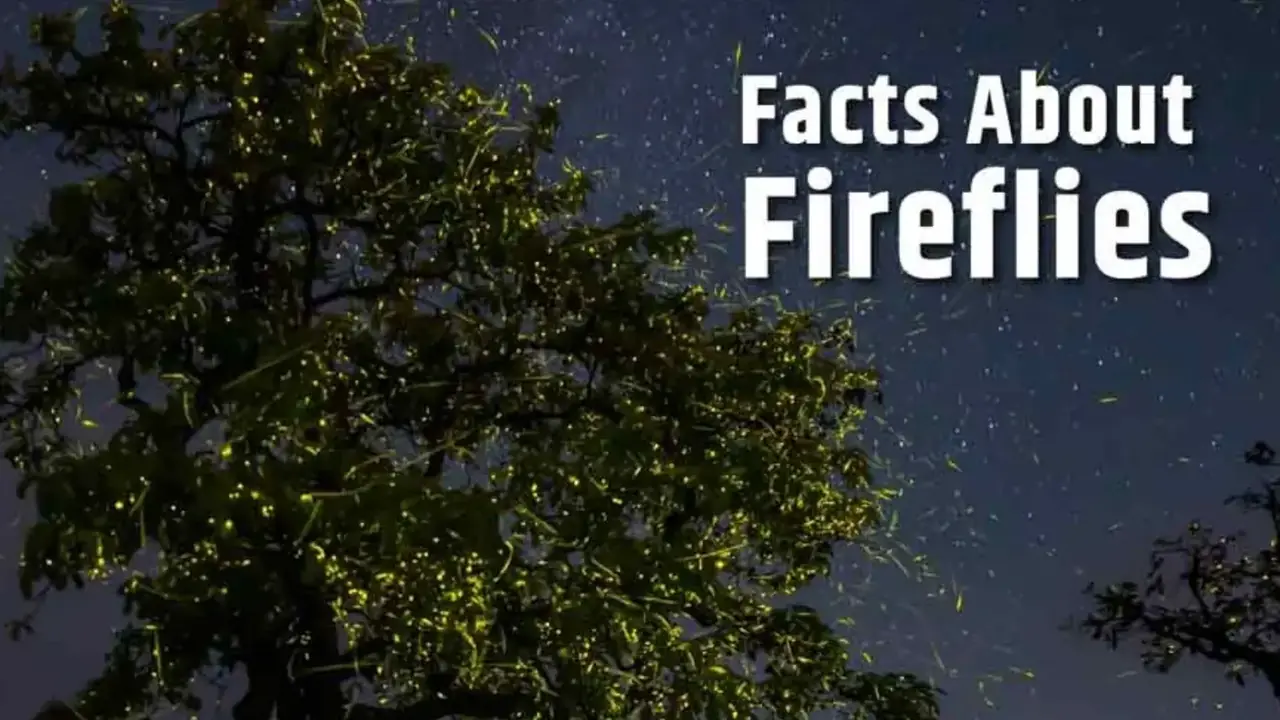
In Marathi, fireflies are called Kajwa, and in Hindi, Jugnu. Every year, just before the monsoon arrives, forested pockets of Maharashtra host what's become known locally as Kajwa Mahotsav, or the Fireflies Festival, drawing visitors from Mumbai, Pune, and beyond who want to see synchronized-looking glowing displays across entire hillsides.
It's worth being precise about what's actually happening here: this isn't a government-organized festival. It's a natural, seasonal mating event that local communities and private trek operators have built low-key ecotourism experiences around, particularly in tribal villages where homestays and guided night walks have become a genuine seasonal income source. The Velas Turtle Festival follows a similar community-led model further south.
Best Places to See Fireflies Near Mumbai and Pune
Based on where sightings are consistently reported each year:
- Purushwadi (Ahmednagar district), inside the Kalsubai Harishchandragad Wildlife Sanctuary, probably the most well-known firefly destination in the state
- Bhandardara, known for both fireflies and its lake-and-mountain scenery
- Rajmachi, near Lonavala, popular with both Mumbai and Pune-based visitors
- Igatpuri
- Siddhagad and Samrad
- Malshej Ghat
- Bhimashankar and Harishchandragad
- Kamshet, Panshet, Vaitarna, and Dehne, closer options for a shorter trip from Pune
Most of these destinations are reachable within a few hours by road from either city, though a handful, like Purushwadi, involve a longer drive of around 5 to 6 hours from Mumbai.
Best Time and Conditions to See Them
Firefly season in Maharashtra generally runs from around mid-May to early June, a narrow window of roughly two to four weeks that closes once the monsoon properly arrives. This lines up with the species' actual life cycle: fireflies emerge, mate, lay eggs, and complete their short adult lifespan right around when the rains begin.
A few conditions matter a lot for a good sighting:
- Moonless, genuinely dark nights produce the best displays, since even moderate ambient light can wash out the glow
- A light drizzle tends to trigger stronger glowing activity; if conditions stay completely dry, sightings are often noticeably weaker
- Noise, smoke, and artificial light all suppress activity, which is part of why quieter, less-visited spots tend to deliver a better experience than crowded ones
Why Firefly Numbers Are Dropping
This part doesn't get mentioned often enough in typical travel content, but it's genuinely important. Conservation researchers have flagged habitat loss, light pollution, and pesticide use as major pressures on firefly populations globally, since larvae need undisturbed, moist leaf litter to develop, and adults rely on darkness to actually see each other's signals.
In Maharashtra specifically, there's a more localized concern: unsustainable tourism itself. As firefly viewing has grown into a seasonal draw, unmanaged crowds, vehicle headlights, flash photography, and general disturbance around breeding sites have been identified as risks to the very phenomenon people are traveling to see. It's a genuinely tricky balance, since the same tourism income has also given some tribal communities a real incentive to protect the forest habitat these insects depend on.
Practical Tips for Firefly Viewing
- Visit during the new moon or a night with minimal moonlight for the clearest displays
- Turn off phone flashlights and avoid using flash photography around active fireflies
- Keep noise to a minimum, both out of courtesy to other visitors and because it can affect firefly activity
- Wear dark, muted clothing rather than bright colors or white, which can be more disruptive in a dark forest setting
- Book homestays or guided walks through established local operators, since this tends to route income directly to the communities managing these habitats
- Go in the first two to three weeks of the season if possible; numbers can taper off as the window closes
Common Mistakes People Make
- Assuming any firefly video you see online reflects a typical night. Genuinely dense synchronized displays are the exception, not the average night's sighting
- Using flash photography anyway. It doesn't just fail to capture the glow well, it also disturbs the insects
- Visiting on a bright moonlit night and being disappointed by a weak showing that had more to do with timing than firefly numbers
- Treating it like a regular tourist attraction rather than a fragile, seasonal natural event tied to a specific breeding cycle
- Skipping local guides and wandering off-trail, which risks trampling the leaf litter and undergrowth larvae actually depend on
Expert Insights
Entomologists studying firefly decline tend to point to the same core issue regardless of region: fireflies need darkness to communicate, and human development is steadily removing it. Artificial light doesn't just fail to attract fireflies, it actively interferes with their ability to see each other's signals, which can suppress mating activity in affected areas over time.
For Maharashtra's firefly tourism specifically, researchers have noted a genuine tension worth sitting with: the same visibility that's turned Kajwa Mahotsav into a seasonal tourism draw is also what puts pressure on the habitat if visitor numbers aren't managed carefully. Smaller, guide-led groups visiting quieter sites tend to see just as much, if not more, than large crowds funneled into the most famous spots, while putting less strain on the breeding grounds themselves.
Frequently Asked Questions
1. Are fireflies actually flies? No. Fireflies are beetles, belonging to the family Lampyridae, not true flies. The "firefly" and "lightning bug" names are common but biologically inaccurate.
2. How do fireflies produce light? Through a chemical reaction inside their abdomen, where a compound called luciferin reacts with oxygen, aided by the enzyme luciferase, magnesium ions, and ATP. Nearly all the energy from this reaction becomes light rather than heat, making it one of the most efficient light-producing processes known.
3. Do all fireflies glow? No. Of the more than 2,000 known firefly species worldwide, some are diurnal and rely on pheromones rather than light to find mates.
4. When is firefly season in Maharashtra? Generally from mid-May to early June, a window of roughly two to four weeks that ends once the monsoon arrives.
5. Where can I see fireflies near Mumbai or Pune? Purushwadi, Bhandardara, Rajmachi, Igatpuri, Malshej Ghat, and Bhimashankar are among the most commonly reported firefly viewing spots, with Purushwadi being the most well-known destination overall.
6. Why do some fireflies eat other fireflies? Female fireflies in the genus Photuris mimic the flash pattern of a different genus, Photinus, to lure in Photinus males, which they then prey on. It's a documented case of aggressive mimicry in the insect world.
7. Is it true that firefly larvae are predators? Yes. Firefly larvae feed on snails, slugs, and other soft-bodied invertebrates, injecting digestive fluid into prey before feeding on the resulting liquid. This is very different from the nectar-feeding or non-feeding behavior of many adult fireflies.
8. Why are firefly numbers declining? Habitat loss, light pollution, and pesticide use are the most commonly cited global factors. In tourist-heavy regions like parts of Maharashtra, unmanaged visitor crowds and artificial light around breeding sites have also been flagged as a specific local concern.
Fireflies get reduced to a single, simple image in most people's minds: a glowing bug on a summer night. The reality is a lot stranger and more interesting, cold light efficient enough to put human bulbs to shame, warning signals doubling as mating calls, predatory females luring in prey with borrowed flash patterns, and larvae that spend their early life hunting snails in the dark.
If you're planning to see this in Maharashtra during Kajwa Mahotsav, that added context makes the experience genuinely richer, and knowing how fragile the whole display actually is might change how carefully you tread once you're standing in the forest watching it happen.
Ready for Your Next Adventure?
Don't just read about it — come experience it. Book your spot on Monsoon Special Treks with certified trek leaders, small groups, and everything organised for you.
🏷 facts about fireflies, firefly bioluminescence explained, fireflies in maharashtra, kajwa mahotsav purushwadi, how do fireflies glow, firefly season maharashtra
Be the first to comment on this post.